
Document Type : Research Paper
INTRODUCTION
Dyeing wastewater is an important environmental concern because many synthetic dyes are designed to remain stable during use and therefore can also resist natural degradation after entering water streams [1-4]. Acid dyes are particularly relevant to textile-related effluents, where they can contribute to strong coloration even at relatively low concentrations [5, 6]. The presence of these compounds reduces water transparency and can interfere with aquatic processes [7-9]. Conventional treatment methods such as adsorption, coagulation, and biological treatment can be useful, but their efficiency depends strongly on the chemical structure of the pollutant and the operating conditions [10, 11]. In some cases, these methods transfer the contaminant from one phase to another rather than completely removing it. For this reason, oxidation-based processes that can directly decompose dye molecules have received considerable attention [12, 13].
Photocatalysis is one of the approaches investigated for this purpose [3, 14, 15]. In a photocatalytic process, photo-activation of a suitable semiconductor can produce charge carriers that participate in reactions at the solid–liquid interface, leading to formation of highly reactive radicals [16-18]. The efficiency of the process is controlled by several factors, including the optical response of the semiconductor, surface properties, photocatalyst concentration, pollutant concentration, solution pH, and the presence of auxiliary oxidants [19]. Consequently, the development of photocatalyst materials with suitable light absorption and stable performance remains an important part of photocatalytic wastewater treatment [20].
Metal oxide semiconductors are attractive photocatalysts because their chemical composition can be adjusted through the selection of different metal ions and synthesis conditions [21, 22]. Mixed-metal titanates are particularly interesting because the combination of different cations can modify the local coordination environment of titanium and influence the electronic structure of the resulting oxide [23]. Incorporation of a transition-metal ion can also introduce additional electronic states and extend the optical response toward longer wavelengths [24]. Copper-containing oxides are therefore promising candidates for visible-light photocatalysis, while rare-earth ions can contribute to structural stabilization and modification of the local oxide environment [25-27].
In the present work, CuNd2TiO6 (CNTO) were synthesized by a Pechini sol–gel method. The Pechini sol–gel method provides a practical route for preparing multicomponent oxides because the metal precursors can be distributed within an organic polymeric network to make a homogenous mixture [28]. The optical behavior of the prepared nanoparticles was evaluated to study their potential for serving as the visible-light photocatalyst. Acid Blue 113 (AB113) was selected as a model anionic dye to evaluate the visible-light photocatalytic performance of the prepared nanoparticles. The influence of photocatalyst dosage was examined over a range of 0.01–0.07 g. The effects of solution pH and H₂O₂ concentration were also investigated. Finally, repeated photocatalytic cycles were performed to assess the practical stability and reusability of the material. The objective was to determine whether CNTO nanoparticles can provide effective visible-light-assisted degradation of AB113 under relatively simple operating conditions.
MATERIALS AND METHODS
Materials
Neodymium nitrate, copper nitrate, tetrabutyl orthotitanate (TBOT), citric acid, and ethylene glycol were used as the starting chemicals for preparation of CuNd2TiO6 nanoparticles. The chemicals were used as received. Acid Blue 113 was employed as the target pollutant in the photocatalytic experiments. Deionized water was used for preparation of solutions.
Preparation of CNTO nanoparticles
CuNd2TiO6 nanoparticles were synthesized by a Pechini sol–gel route. Citric acid was added, as the complexing agent, to ethylene glycol to prepare a polyester solution. Appropriate amounts of the neodymium nitrate (2 mmol) and copper nitrate (1 mmol) precursors were introduced into the above mixture, followed by addition of tetrabutyl orthotitanate (1 mmol) as the titanium source. The mixture was continuously stirred until a homogeneous sol was obtained. The mixture was kept in an oven at 100 °C overnight to form a sticky gel. The final precursor was calcination of the obtained gel at 800 °C for 10 h to remove the organic compounds. At the end, a light gray powder was obtained, which was then used for photocatalytic degradation of an organic dye solution.
Characterization
X-ray diffraction analysis was used to study structure and crystallinity of the CNTO nanoparticles (X’pert Pro MPD Philips). To investigate morphological features of the CNTO nanoparticles, field emission scanning electron microscope (FESEM) (TESCAN BRNO Mira 3) and transmission electron microscope (TEM) (Carl Zeiss) were employed. Diffuse reflectance spectroscopy (DRS) (JASCO UV-Vis) was used to study the visible-light absorption characteristic of the prepared CNTO.
Photocatalytic experiments
Photocatalytic degradation experiments were performed using 50 mL of an aqueous Acid Blue 113 (AB113) solution with a constant concentration of 50 ppm. A 100 W visible-light LED was used as the irradiation source. Different amounts of the CNTO nanoparticles, including 0.01, 0.03, 0.05, and 0.07 g, were tested to determine the suitable photocatalyst loading. Before irradiation, the suspension was allowed to reach adsorption–desorption equilibrium in the dark for about 30 min. The suspension was then exposed to visible light illumination while being continuously mixed. At selected time intervals (30 min), samples were collected and separated from the nanoparticles using centrifugation. Then, the solution was analyzed by UV-Vis spectrophotometer at a wavelength of 566 nm to determine the remaining dye concentration. The degradation efficiency was calculated from the decrease in AB113 concentration relative to its initial value.
RESULTS AND DISCUSSION
Structural, surface and optical properties
The XRD pattern of the prepared CNTO nanoparticles is provided in Fig. 1 The pattern shows the diffraction planes at the specific 2Theta values which are in the agreement with the orthorhombic structure of copper neodymium titanium oxide (JCPDS code: 048-1001). The average size of the formed crystallites was determined using the Scherrer method [29]. The determined average crystallite size was around 11.84 nm, indicating that the stabilization of the CNTO crystallites was well accomplished within the ethylene glycol/citric acid mixture during Pechini preparation route.
In addition, the determined lattice parameters confirmed the crystallization of CNTO nanoparticles in the orthorhombic system (α = β = λ = 90°; a ≠ b ≠ c). Using below equation (Eq.1) [30], the lattice parameters were successfully determined, where d is the interplanar distance, a, b, c are lattice dimensions, and l, h, k are miler indices. The determined lattice constants were as a = 5.37 Å, b = 5.65 Å, and c = 7.65 Å, which confirmed the successful formation of orthorhombic phase for CuNd2TiO6 crystals.
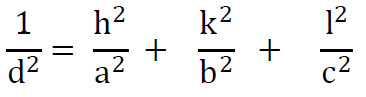
Fig. 2 exhibits FESEM and TEM images for the CNTO nanoparticles, disclosing the morphology and surface properties of the CNTO. As shown in FESEM image (Fig. 2a), the nanoparticles have the spherical morphology with an average size of around 30 nm. Additionally, the flake like agglomerates are clearly observed. It can be suggested that the fine nanoparticles have high surface energy which drives them to accumulate in order to reduce the overall surface energy and achieve a more stable state. Moreover, the TEM (Fig. 2b) provides the precise view of the prepared nanoparticles, which clearly approves the quasi-spherical nanoparticles in the size below 50 nm. Also, the EDX analysis was performed for the compositional investigation of the CNTO nanoparticles. The EDX spectrum in Fig. 2c shows that the nanoparticles consist of copper, neodymium, titanium, and oxygen in the amounts (wt%) of 12.41%, 57.26%, 10.17%, and 20.16%, respectively. Moreover, no EDX peaks corresponding to the impurities are observed.
The DRS spectrum in Fig. 2d also presents the overview of the optical behavior of the CNTO nanoparticles. As can be seen, the CNTO nanoparticles have the strong absorption in the visible light region. The edge of absorption occurred at around 484 nm, which corresponds to the optical band gap of 2.66 eV—determined using the Tauc plot [31] (inset to the Fig. 2d). This result affirms that the visible light irradiation can effectively contribute to photocatalytic excitation. Therefore, the optical response of the synthesized CNTO nanoparticles provides a reasonable basis for evaluating it under visible LED irradiation.
Photocatalytic studies
Dosage of photocatalyst
The amount of photocatalyst is an important operating parameter because increasing the available photocatalyst mass generally increases the number of accessible surface sites [32]. In this study, the effect of different amounts of the CNTO nanoparticles (0.01, 0.03, 0.05, and 0.07 g) were examined on the photocatalytic degradation efficiency, shown in Fig. 3. The photocatalytic performance increased with photocatalyst loading up to 0.05 g, at which 95.22% degradation of AB113 was achieved. This enhancement is attributed to the greater availability of active surface sites when the amount of the photocatalyst is increased. However, further addition of catalyst beyond 0.05 g did not provide a corresponding improvement and the optimum amount was therefore selected as 0.05 g for the subsequent experiments. Excessive photocatalyst loading can increase suspension opacity and light scattering, which may limit the effective penetration of the incident light through the reaction medium [33].
pH of AB113
Solution pH had a pronounced influence on the AB113 degradation. The experiments were conducted at pH 3, 5, 7, and 9. As presented in Fig. 4, the highest removal of AB113 was obtained under acidic conditions. At pH 3, degradation approached 99%, whereas the efficiency decreased to 68.56% at pH 9. This difference indicates that the surface condition of CNTO and the interaction between the photocatalyst and the AB113 as an anionic dye are strongly dependent on the solution pH [34]. Changes in surface charge and dye–surface interactions can alter the availability of adsorption and reaction sites [35]. In addition, the chemical environment of the aqueous phase changes with pH and can consequently affect the overall photocatalytic process [36]. The results show that acidic conditions were more favorable for the degradation of Acid Blue 113 in the investigated system.
Concentration of H2O2
The addition of H₂O₂ substantially affected the photocatalytic removal of AB113 through involving the formation of reactive radicals. In this context, as shown in equation 2 (Eq.2), H2O2 reacts with the photo-generated electron on the surface of photocatalyst, leading to the release of more hydroxyl radicals (•OH) [37].

To this end, 1 mL of different concentrations of H₂O₂ (0.01, 0.02, 0.03, and 0.04 M) were used. The results are provided in Fig. 5, revealing that the degradation of AB113 increased as the H₂O₂ concentration was raised to 0.03 M, at which nearly complete removal of the dye was obtained. Increasing the concentration further to 0.04 M caused a clear decrease in the AB113 degradation, with the efficiency falling to 82.14%. This behavior indicates that an excessive amount of H2O2 may become unfavorable because the additional peroxide can interfere with the effective utilization of the generated reactive species [38].
Reusability of CNTO
The stability of the CNTO photocatalyst was assessed over six consecutive degradation cycles. After each run, the photocatalyst was separated from the treated solution, recovered, and reused under the same experimental conditions. The degradation efficiency obtained in each cycle was compared with the initial performance to evaluate the change in activity during repeated use. Fig. 6 shows that the CNTO maintained the high photocatalytic performance during repeated use, and the reduction in degradation efficiency after the sixth cycle was only about 1.71% compared with the initial cycle. Such a small decrease indicates that the prepared CNTO photocatalyst retained most of its photo-activity during repeated operation.
CONCLUSION
In summary, CuNd2TiO6 nanoparticles (CNTO) were successfully prepared by a Pechini sol–gel method followed by calcination at 800 °C for 10 h. The obtained nanoparticles had an estimated optical band gap of 2.66 eV, supporting its use under visible-light irradiation. The nanoparticles showed effective photocatalytic activity toward AB113 solution. Among the tested photocatalyst amounts, 0.05 g provided the best performance and resulted in 95.22% degradation. Solution pH had a strong effect on the process, with degradation approaching 99% at pH 3 and decreasing to 68.56% at pH 9. The addition of H₂O₂ further enhanced the treatment, and 0.03 M was identified as the optimum concentration; increasing it to 0.04 M reduced the degradation to 82.14%. Additionally, the prepared CNTO photocatalyst also showed good reuse performance, with only a 1.71% decrease after six consecutive cycles. Overall, the results indicate that CNTO is a promising visible-light-responsive photocatalyst material for the photocatalytic treatment of AB113.
CONFLICT OF INTEREST
The authors declare that there is no conflict of interests regarding the publication of this manuscript.
