
Document Type : Research Paper
INTRODUCTION
Magnetic materials have an extremely wide variety of industrial and domestic applications, and are a very important part of everyday life. These are applied for the manufacture of industrial equipment and the development of technology [1, 2]. Magnetite is widely available, is the strongest magnetic material known on earth and is an iron ore composed of iron oxide, called ferrites [3, 4]. There are several groups of magnetic ceramic materials, among which the ferrites are presented which are subdivided into four groups: orthoferrites, spinels, garnets and hexaferrites [5]. Hexaferrite materials are hard magnetic materials, studied and known for their convenient properties in the last few decades, compared to the other counterparts. High Curie temperature, have great chemical stability, adjustable magneto crystalline anisotropy, are easy to manufacture, have high magnetic saturation and coercivity, and corrosion resistance [6]. Based on their crystal structure, and chemical composition, M-type hexagonal ferrites (AFe12O19), where A represents Ba, Sr, Pb and Ca [7] are suitable for magnetic fluids, medical supply, preservation of medicaments materials in an organism, and hyperthermia of the malignant cells, very suitable materials for the high frequency circuits and operating devices [8]. They can also be used as magnetic recording media for perpendicular magnetic recording, and microwave absorbers [9]. The excellent biological compatibility of the other base compositions - alkaline-earth hexaferrites - over calcium hexaferrites has led to their extensive use in medical applications [10]. A M-type crystal structure is hexagonal and it is composed of 38 oxygen and 24 Ferric ions. In this structure ferric (Fe3+) ions occupy five different interstitial sites in the unit cell, such have three octahedral sites (12k ↑, 2a↑, 4f2 ↓), one tetrahedral (4f1 ↓) and one trigonal bipyramidal (2b ↑) site [11]. The substitutions of M-type calcium hexagonal ferrites are achieved to enhance the specific properties of the materials and investigation results have revealed that substitutions can alter the crystallographic, magnetic and electrical properties of the materials [12, 13]. These hexagonal ferrites have properties that depend on the substituted the divalent ions of calcium ions have different positions in the structure [14, 15]. The different factors affecting the properties of this M-type hexaferrite are concentration [16] type of replacement [17], method of synthesis [18], calcination temperature and time [19], metal nitrate to fuel ratio [20], type of fuel [21], pH of solution [22], etc. Several methods have been used for the synthesis of ferrite nanoparticles, such as the coprecipitation method [23], solid-state method [24], hydrothermal synthesis [25], Pechini method [26], sol–gel auto-combustion method [27], and etc. Previous studies on the substitution of secondary and tertiary ions in hexaferrite lattices demonstrated significant variations in structural, magnetic, and electrical characteristics. In a study conducted by Deshpande et al. [28], on Zr-Co substituted CaFe12O19 within the compositional range x = 0-4, the saturation magnetization decreased from 0.4975 to 0.1195 emu/g, followed by an increase to 0.1985 emu/g at x = 4. In parallel, the coercivity declined from 875 G to 25 G and subsequently rose to 125 G at x = 4. These changes were attributed to the occupation of Fe3+ sublattices by diamagnetic ions. Kakul et al., [29] reported that Sm3+ substitution in CaFe12O19 increased Ms from 25 to 44 emu/g and reduced Hc from 3.3 to 2.33 kOe, attributed to lattice expansion and enhanced Fe³⁺ sublattice interactions. The materials were shown to have promising magnetic characteristics for storage applications. Ijaz et al., [30] showed that Cu and Dy co‑doped M-Type Ca1-xCuxFe₁₂-xDyxO₁₉ (x=0.0, 0.05, 0.10, 0.15, 0.20). The sample with the best magnetic properties is Ca0.85Cu0.15Fe11.85Dy0.15O19 with Ms = 35.738 emu/g, mB(µB) = 6.732B, Mr= 20.430 emu/g, Hc = 3.15 kOe, and Mr/Ms = 0.572. All samples were excellent candidates for use in magnetic devices due to their high Mr/Ms values. The effect of doping on the magnetic features of M-type hexa-ferrites has made them useful in numerous applications, such as high-performance self-biased circulators, magnetic filters, and storage devices. demonstrating that dual-ion substitution tunes anisotropy.
Mawaheb et al. [31] investigated aluminium-substituted calcium–lanthanum M-type hexaferrite with the chemical composition Ca0.5La0.5Fe12-xAlxO19 (x = 0.00, 0.04, 0.08, 0.12, and 0.16). Vibrating sample magnetometer (VSM) analysis showed that the saturation magnetization (Ms) and remanent magnetization (Mr) decreased to 17.01 emu g⁻¹ and 10.66 emu g⁻¹, respectively, whereas the coercivity increased to 2.165 kOe as the Al3+ substitution level reached x = 0.16. This behavior was attributed to the enhancement of magnetocrystalline anisotropy caused by the incorporation of non-magnetic Al3+ ions. Ali [11]. synthesized Co-substituted M-type strontium hexaferrite, Sr1−xCoxFe12O19 (x = 0.00, 0.25, 0.50, 0.75), using the sol–gel auto-combustion method and confirmed ferromagnetic behavior for all samples. The magnetic parameters showed a systematic decrease with increasing Co2+ content, where the saturation magnetization (Ms) decreased from 63.50 to 26.99 emu/g, the remanent magnetization (Mr) decreased from 36.01 to 14.04 emu/g, and the coercivity (Hc) reduced from 4051 to 2571 Oe. This reduction in magnetic properties indicates a progressive weakening of the superexchange interactions within the M-type hexaferrite structure due to Co substitution. Based on these results, the synthesized material demonstrated promising characteristics for magnetic applications. Subsequently, Kumar et al. [32] synthesized Eu–Ti co-doped M-type calcium hexaferrite, Ca1-xEuxFe12-yTiyO19 (0.00 ≤ x, y ≤ 0.07), using the solid-state reaction method.The structure of the synthesized material was found to be M-type hexagonal structure using XRD and Raman spectroscopy, along with the presence of a negligible amount of α-Fe2O3 as an impurity. The grain size was found to be in the range of 1.65-2.26 μm using the field emission scanning electron microscopy and the elemental composition and oxidation state was confirmed by EDX and HRXPS analysis. The magnetic properties were measured, and the results revealed that there was variation in coercivity (Hc), remanent magnetization (Mr) and saturation magnetization (Ms) as well as the ratio of remanence to saturation magnetization (Mr/Ms ≤0.5), which showed the presence of significant inter-grain interactions and the suitability of the prepared materials for use in high-frequency devices and high-density magnetic recording applications. In the present study, Mg-substituted calcium hexaferrite powders with the composition Ca1-xMgxFe12O19 (x = 0.00, 0.02, 0.04, 0.06, 0.08, and 0.10) were successfully synthesized via the sol–gel auto-combustion method, followed by calcination at 1000 °C for 2 h. The influence of Mg substitution on phase formation, crystallite size, microstructural evolution, surface morphology, and magnetic behavior of calcium hexaferrite was systematically investigated.
The structural and magnetic property changes with cation substitution in M-type hexaferrites have been widely investigated but a more comprehensive understanding of the correlation between cation substitution and the resulting property changes is still required. Thus, more systematic investigations are needed to understand how their compositional changes affect their magnetic performance for further advanced technological applications. A detailed characterization of the material has been performed with X-ray diffraction (XRD) spectrometer, Raman spectrometer and vibrating sample magnetometer under applied magnetic field of ±14kOe. The results obtained in turn provide insights into the effect of incorporating Mg in the tailoring of the structural and magnetic properties of M-type calcium hexaferrite for their potential application in advanced magnetic and high frequency devices.
MATERIALS AND METHODS
Chelating agent citric acid was used (as fuel) in the preparation of hexaferrite M type Ca1-xMgxFe12O19 (0.00 ≤ x ≤ 0.10) by sol-gel auto-combustion process. Chemical reagents were all purchased from Merck. Calcium nitrate (Ca(NO3)2, 98% Purity), magnesium nitrate hexahydrate (Mg(NO3)2.6H2O, 99% Purity), ferric nitrate nonahydrate (Fe (NO3)3.9H2O, 99.9% purity), citric acid monohydrate (C6H8O7.H2O, 99.9% purity), and ammonia solution (NH4OH, 25% 25%) were used as starting materials [33]. Firstly, the metal nitrates were dissolved in deionized water with constant stirring by a magnetic stirrer to ensure the precursor solution is homogeneous. Subsequently citric acid was added in a dropwise manner to the mixture with constant stirring to ensure complexation of the metal ions. Ammonia solution was dropped into the solution to adjust its pH to 7 [34, 35]. The mixture was stirred and heated at 80–100°C continuously for about 3-4 h until the water was removed leaving a viscous dark-brown gel. The product obtained was heated in a hot-air oven at 200-250 °C for 1 h, and a self-propagating combustion process was initiated to produce the powder with a loose and porous structure. Finer particle size was achieved by finely grinding the combustion residue in an agate mortar and pestle to make a homogeneous powder before drying at 110°C for 30 min to remove the moisture. The dried powder was then calcined in air at 1000°C for 3 h to obtain pure magnesium substituted calcium M-type hexaferrite powder which is gray in colour as typical for hexagonal ferrite materials.
Characterization techniques
X-ray Diffraction (XRD) was used to examine the structural properties of the synthesized samples such as phase purity, crystallite size and lattice parameters using an PANalytical X’Pert Pro diffractometer with Cu-Kα radiation (λ=1.5406 Å). Furthermore, Raman spectroscopy measurements were carried out with a micro-Raman spectrometer (HORIBA Scientific LabRAM HR Evolution, 785 nm laser) to investigate the vibration of the fabricated materials. Field-emission scanning electron microscopy (FESEM) was used for analyzing surface morphology and average particles size employing a TESCAN MIRA3-XMU, Czech Republic. In addition, the magnetic properties of the produced hexaferrite powders were investigated by a vibrating sample magnetometer (VSM, LBKFB) produced by Meghnatis Daghigh Kavir Co. under the applied magnetic field up to ±14 kOe at room temperature.
RESULTS AND DISCUSSION
X-ray Diffraction (XRD)
Ca1-xMgxFe12O19 (0.00 ≤ x ≤ 0.10) hexaferrite samples were prepared by calcining the samples at 1000 °C, and the crystal structure and phase purity of the samples were investigated by X-ray diffraction (XRD). The diffraction patterns obtained are shown in Fig. 1. The observed diffraction peaks indexed to the crystallographic planes (006), (107), (114), (202), (109), (214), (303), (2011), (208), (217), and (220) were found to be in good agreement with the standard JCPDS card No. 49-1586 corresponding to the M-type hexagonal structure. Sharp and distinct diffraction peaks can be seen in the X-ray diffraction plots, which indicates high crystallinity for the synthesized samples. Moreover, all peaks are in agreement with the previous studies [36, 37, 38]. The XRD diffractograms showed no secondary phases nor any impurity peaks, suggesting that the single-phase M-type hexagonal ferrite structure was formed successfully [38]. Slightly, it was also noted that the strongest diffraction peak (107) gradually moved to lower Bragg angles as the Mg content (x) increased. This transition is believed to be due to lattice distortion caused by the substitution of Mg2+ at the Ca2+ lattice sites due to the difference in ionic radius of the two ions (Mg2+ = 0.72 Å and Ca2+ = 1.00 Å). The shift in peak position found in Table 1 is also indicative of the occurrence of structural distortion after Mg incorporation. Similar behavior has also been reported by Chauhan et al. [7].
Various structural parameters, including the crystallite size (D), lattice constants (a, c, and c/a), unit cell volume (Vcell), and X-ray density (ρx), were calculated for all powder samples using the following equations [39, 40].
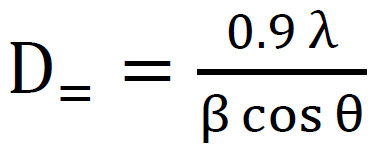
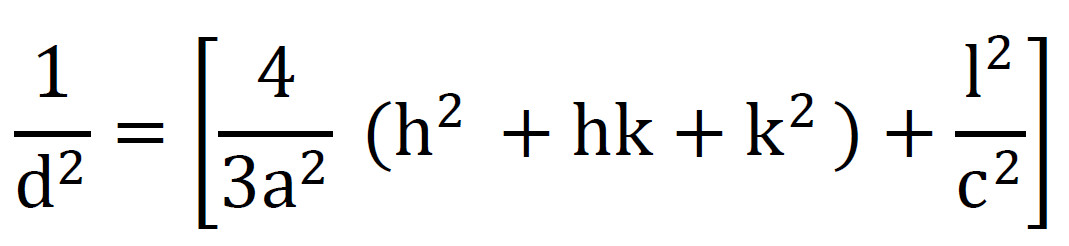
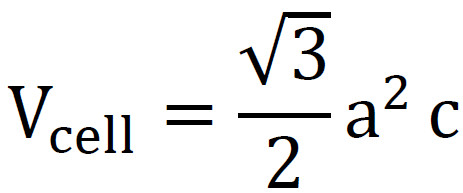
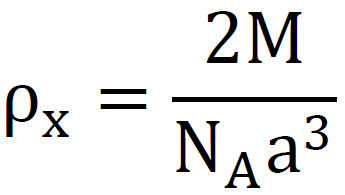
where λ is the wavelength of the X-ray radiation, β represents the full width at half maximum (FWHM) of the diffraction peak, θ is the Bragg angle corresponding to the maximum intensity peak, d is interplanar distance, h, k, and l are Miller indices, M denotes the molecular weight of the sample, and NA is Avogadro’s number.
Table 1 presents the structural properties of the prepared samples. A noticeable decrease in crystallite size was observed with increasing Mg2+ substitution, where the crystallite size declined from 71.44 nm (x = 0.00) to 65.79 nm (x = 0.06). After that increased to 68.49 nm (x=0.08) and then decreased to 67.43 nm. This might be due to the difference between the ionic radii of Mg2+ (0.72Å) and Ca2+ (1.00Å) and produced lattice strain which lead to a reduction in crystallite size. Similar types of result were observed by Shinde et.al. and Khan et al. [36, 41]. The obtained values of the lattice parameters belong to the pure magnetoplumbite phase (a=5.892-5.897Å and c=23.168-23.182 Å) of hexaferrite as reported elsewhere [41]. The lattice constant ‘α’ approximately remains unchanged while ‘c’ has shown small variation which can be interpreted from the ionic radii of Mg2+ and Ca2+. And also associated with defects and lattice distortion. Similar results were observed by Khobragade et al. [42].
The variation in both lattice parameters and crystallite size provides strong evidence for the successful incorporation of Mg2+ ions into the hexaferrite crystal lattice rather than forming secondary impurity phases. The substitution of Ca2+ by Mg2+ modifies the local structural environment because of the difference in their ionic radii, leading to internal lattice strain and slight distortion within the magnetoplumbite structure. Such structural modifications are commonly observed in substituted M-type hexaferrites and are considered indicative of effective dopant incorporation into the host lattice. According to the structural criterion proposed by Verstegen and Stevels, the M-type hexaferrite phase is stable when the c/a ratio remains below 3.98. In the present work, the calculated c/a values range from 3.926 to 3.933, confirming the preservation of the magnetoplumbite M-type hexagonal structure for all compositions [43]. These results imply that the crystal symmetry of the parent phase remains largely unchanged upon Mg substitution.
Besides, the unit cell volume was found to vary slightly from 699.529 Å3 to 699.570 Å3. The small changes are directly related to the small changes in lattice constants (a and c) due to the incorporation of Mg. Such non-uniform behaviour of the cell volume can be due to the competition among the ionic size mismatch, a local lattice relaxation, and generation of defects during the substitution process. The same type of behavior has been also observed in substituted ferrite systems where the spacing and packing density of the structure are affected by the dopant ions. The X-ray density (ρx) was also seen to gradually decrease with increasing Mg2+ concentration. This is because the replacement of heavier Ca2+ ions with lighter Mg2+ ions decreases the molecular weight, which explains this trend. The changes in mass of the molecule are larger than the corresponding changes in the unit cell volume, so that the overall X-ray density decreases with increasing Mg content [38]. This behaviour also helps in the successful substitution and the achievement of a single phase of the compositionally modified hexaferrites.
Raman Measurements
As a versatile characterization method, Raman spectroscopy provides valuable information on lattice dynamics, crystal structure ordering, and local bonding environments in ferrites [44]. Theoretically, 42 modes are expected in the Raman spectrum of the hexagonal M-type for which all the modes are Raman active which corresponds to 11A1g,14E1g, and 17E2g modes according to the group theoretical analysis. Furthermore, it is expected that the crystal structure will have 30 IR modes and some optically inactive modes of various symmetries [45, 46]. Room-temperature Raman spectra of Ca1−xMgxFe12O19 (0.00 ≤ x ≤ 0.10) were obtained within the 100 - 700 cm-1 range and are illustrated in Fig. 2. The undoped CaFe12O19 sample (x = 0.00) exhibits distinct Raman bands located at approximately 176.77, 191.94, 223.36, 290.45, 413.06, 460.59, 500.55, and 609.58 cm⁻¹. The sharpness and intensity of these modes suggest good crystallization of the hexaferrite phase and low density of structural defects. As the Mg substitution increased, it can be seen that the intensity of the peaks of the Raman spectra increases, and there were also slight wavenumber changes. The changes in the lattice modifications suggest that the lattice structure is under local changes due to the incorporation of Mg2+ ions in the CaFe12O19 structure. The Fe - O bond characteristics are also changed and the local distortion of the crystal structure is increased by substituting Mg2+ ions for Ca2+ ions, as the ionic radius of Mg2+ is smaller (0.72 Å) than that of Ca2+ (1.00 Å) [47], As a result, changes in the force constants of lattices and phonon vibrations appear and cause slight differences in the Raman frequencies. In addition, the incorporation of Mg ions may modify the cation distribution between octahedral and tetrahedral sites, resulting in slight variations in local symmetry and vibrational properties. The gradual broadening of Raman bands with increasing Mg content indicates enhanced phonon scattering and a moderate increase in lattice disorder [11, 48].
The Raman spectra obtained are in accordance with the previously reported spectra of M-type hexaferrite [49]. No other Raman bands attributable to impurity phases or secondary compounds have been found, which is a sign of obtaining a single-phase structure of a hexaferrite. This is in agreement to the XRD result, which also revealed the phase purity of the synthesized compositions. The overall spectral characteristics were almost the same for the various additions of Mg but slight changes in the band positions were noticed, indicating small changes in the vibrational environment brought about by the incorporation of Mg. The same behavior has been observed in substituted ferrite systems, where a substitution by smaller ions alters the bond lengths and the interaction with the lattice, consequently changing the phonon frequencies and modes which are Raman active [50, 51].
A table of Raman spectral parameters obtained from all the samples investigated is summarized in Table 2. The Raman peak intensity was the lowest for the pure CaFe12O19 composition while a gradual increase in intensity was seen with the introduction of Mg. This behavior could be related to the relaxation of strain and local ordering of the lattice after incorporation of Mg ions. Moderate peak broadening can also be caused by localized defects and microstrain, which can cause some overlap of bands and loss of symmetry. Such structural variations can affect the magnetic exchange interactions and magnetic anisotropy of hexaferrite system [52]. In conclusion, the Raman study revealed that both pure and Mg-substituted calcium hexaferrites possess typical hexagonal M-type structure and the analysis clearly indicated successful incorporation of Mg2+ ions in the crystal lattice of the ferrite materials.
Surface morphology and EDX analysis
Fig. 3 a–f shows the FE-SEM images of M-type hexaferrite powders Ca1−xMgxFe12O19 (0.00 ≤ x ≤ 0.10) prepared by calcination at 1000°C. Particles agglomeration is observed in all samples with a very high level of particle agglomeration, mainly due to the high intrinsic magnetic dipole-dipole interactions between the single domain hexaferrite grains [58]. The micrographs show that the grain shape changes from spherical to platelet to highly faceted polyhedron shape. The observed inhomogeneous and irregular particle size distribution may be attributed to the synthesis kinetics of the sol-gel auto-combustion method.
This fast exothermic combustion process causes a more rapid crystal nucleation and growth process, resulting in a faster self-sustaining combustion process and local differences in combustion time and flame temperature, which leads to differences in the size of the particles that are formed. Very high temperatures and long calcination times are normally required to achieve a fully crystalline and homogenous hexaferrite phase [59]. At lower substitution levels, an insubstantial change in the average particle size is observed, which is very reasonable, given the very small dopant concentrations. With increasing Mg2+ substitution, however, an interesting change in grain boundaries and cross sectional geometry are observed. The grains in the pristine sample (x=0) have diffuse and smooth boundaries and are mostly quasi-oval in shape. On another hand, raising the substitution level, a unique crystallization and clear-separation of grain boundaries occurs, especially at (X=0.04 and 0.06). This is a structural refinement that is very closely coupled to ionic radius discrepancies and diffusion kinetics; the modulating effect of ionic radius of the substituting species on the host lattice parameter facilitates localized atomic diffusion pathways, which enhances the mobility of boundaries and grain growth [60, 61]. The grains are thus endowed with more planar, platelet shape which further improves the lattice anisotropy of the synthesized hexaferrites. These highly anisotropic platelets have a tendency to stack and agglomerate into larger cluster networks, which causes the observed particle-size heterogeneity [62, 63].
Competition between various grain growth processes and atomic diffusion pathways control the morphological transitions in these Mg2+ -substituted calcium hexaferrites. The abnormality (exaggerated growth) of grains appears at certain doping concentrations, as shown in Fig. 3 (a–f). This suggests that the reaction mechanism is an interface-controlled process in which the velocities of atomic diffusion are low in this system. This diffusion coefficient is strongly dependent on the substitution concentration and the typical M-type hexagonal habit is maintained at low substitution concentrations. As the concentration increases, the sintering kinetic becomes dominated by accelerated atomic diffusion and a change in the morphology was observed from regular hexagonal to irregular and complex polyhedral geometries [64].
This is in agreement to Kang et al. [65], who suggested that with some substitution this driving force towards uniformity of crystal growth weakens, but at the same time localized abnormal grain growth commences creating a population of smaller grains within the matrix and a few irregularly larger crystals.
Fig. 4 (a–f) depicts the Energy-Dispersive X-ray Spectroscopy (EDX) profiles of the Mg2+-substituted M-type calcium hexaferrite samples, confirming elemental preservation and phase purity. The EDX spectra unequivocally reveal the characteristic X-ray emission peaks corresponding to Calcium (Ca), magnesium (Mg), Iron (Fe), and Oxygen (O). Crucially, the total absence of extraneous or unassigned peaks within the spectra confirms that no foreign impurities or secondary crystalline contaminants were introduced during the sol-gel auto-combustion synthesis or subsequent high-temperature calcination stages. Furthermore, the quantitative atomic percentages obtained from the EDX analysis for all synthesized compositions were systematically compiled within each figure, demonstrating excellent agreement with the nominal chemical compositions.
Magnetic analysis
Fig. 5 presents the room-temperature magnetic hysteresis (M–H) loops of Ca1−xMgxFe12O19 M-type calcium hexaferrite nanoparticles (0.00 ≤ x ≤ 0.10), investigated using a vibrating sample magnetometer (VSM). The magnetic parameters, including saturation magnetization (Ms), remanent magnetization (Mr), and coercivity (Hc), were extracted from the hysteresis loops [66], and are summarized in Table 3. The obtained Ms and Mr values were found to vary within the ranges of 1.030-1.637 emu/g and 0.337-0.776 emu/g, respectively. A gradual enhancement in both saturation and remanent magnetization was observed with increasing Mg substitution content. This magnetic enhancement may be associated with the redistribution of Mg2+ ions among the crystallographic sublattices of the M-type hexaferrite structure, leading to modifications in the superexchange interactions between Fe3+ ions at different lattice sites. The increase in magnetization also suggests improved magnetic ordering and indicates the soft magnetic characteristics of the synthesized nanoparticles. Furthermore, the observed magnetic behavior can be attributed to variations in cation occupancy and spin alignment within the hexaferrite lattice, which in turn directly affect the net magnetic moment of the material. The relatively low coercivity values further confirm the soft magnetic nature of the prepared samples, indicating their potential suitability for magnetic and microwave-related applications. Similar findings have been previously reported by Shinde et al. [38] for Ni-substituted Ca-M hexaferrite nanoparticles, CaNixFe12-xO19 (x=0.5,1.0,1.5,2.0), where both Ms and Mr increased systematically with increasing Ni concentration. Their reported values ranged from 8.845–26.055 emu/g for Ms and 1.884–8.426 emu/g for Mr, confirming that divalent ion.
The coercivity (Hc) values of the as-prepared nanoparticles were found to lie within the range of 128.087-400.274 Oe. A significant reduction in coercivity was observed with increasing Mg content in the Ca-based hexaferrite samples, where Hc decreased from 400.274 Oe for x = 0.00 to 192.131 Oe at x = 0.02, followed by a nearly stable value of approximately 128.087 Oe for the higher Mg concentrations. This behavior is consistent with previously reported studies on hexaferrite systems [67, 68].
The observed decrease in coercivity may be attributed to changes in magnetocrystalline anisotropy and particle size, both of which are known to significantly influence the magnetic properties of ferrite materials [69]. In particular, Mg substitution can reduce the magnetocrystalline anisotropy of the hexaferrite structure while simultaneously promoting particle growth. These effects facilitate domain wall motion, thereby leading to a reduction in coercivity. In summary, as Mg content increases, Hc decreases more, further demonstrating the trend towards a softer magnetic character. Thus, the decrease in coercivity (Hc) with increasing Mg substitution is mainly due to the increase in particle size and the reduction in magnetocrystalline anisotropy that accompanies it. The motion of the domain wall in this case is easier as the particle size increases and so the magnetic field required to flip the magnetisation is decreased. In Ni- and Zn-substituted barium hexaferrites [68], where the cation substitution was found to have a considerable effect on the anisotropy and magnetic domain dynamics, the results are reported. Furthermore, Singh et al. [70] studied the M-type hexagonal ferrite nanoparticles and found that the magnetic parameters changes are highly correlated with the difference in particle size of the different samples produced. They also showed that particle size alteration causes a direct change in the magnetic properties because of the change in the magnetic domain configuration and microstructure.
Similar behavior was found in the current M-type hexagonal ferrite nanoparticles, leading to the conclusion that the evolution of microstructures is important for the magnetic response of the materials prepared. Furthermore, the prepared hexagonal ferrite powders showed low magnetic coercivity which is a significant criterion characterizing the magnetic stability and soft magnetic property. The synthesized nanomaterials are found to have desirable magnetic properties for high frequency and electromagnetic applications, due to their improved resistance to spontaneous demagnetization and magnetic response.
Squareness ratio Mr/Ms is a typical criterion for multi magnetic domains materials. The values in Table 2 (between 0.327 and 0.431) support the multi-domain nature of all the synthesized samples [71, 72].
The obtained values further indicate that the prepared materials have potential applicability in magnetic recording technologies, similar to other ferrite materials, the ratio of Mr/Ms below 0.5 generally shows good recording characteristics [73]. The graph of variations in Ms, Mr, Mr/Ms and Hc of M-type hexaferrite nanoparticles is shown in Fig. 6. The observed changes in the magnetic parameters are also associated with the redistribution of cations between the tetrahedral and octahedral crystallographic sites within the hexaferrite lattice. Ca2+ and Mg2+ ions have ionic radii of approximately 1.00 Å and 0.72 Å, respectively. and this difference plays an important role in site occupancy and lattice distortion. Incorporation of Mg2+ ions into the calcium hexaferrite structure can create local cation vacancies and cause the distribution of Fe3+ among the available crystallographic sites to change, which can strengthen the magnetic interactions in the material. However, due to the smaller ionic radius, Mg2+ can be incorporated successfully into the host lattice, thereby enhancing the nanoparticles’ saturation magnetization and remanent magnetization [73]. Moreover, the magnetic properties of hexaferrite are very sensitive to many structural parameters such as occupancy of the cation positions, lattice strain, superexchange interactions and magnetic moments of the host and substituted ions [74]. Akhtar et al. [75] described the cation distribution in M-type hexagonal ferrites, and interestingly, it was found that the Fe ions reside in tetrahedral, octahedral and trigonal bipyramidal positions, while the Ca ions are more likely to reside in the 2d crystallographic positions. In this structure, the magnetic spins on some of the octahedral and tetrahedral sites are antiparallel, whereas spins attached to the 2a, 2b and 12k sites are parallel, giving rise to the ferrimagnetic properties of the hexaferrite system. According to ligand field theory, the magnetic characteristics of ferrites are closely related to the occupation of octahedral and tetrahedral sites within the crystal lattice. Due to its divalent nature and relatively high electronegativity, Mg2+ ions preferentially occupy octahedral sites by partially replacing Ca2+ ions. Such substitution modifies the Fe3+-O2--Fe3+ superexchange pathways and consequently alters the overall magnetic response of the material. Therefore, the dopant ions play a crucial role in tailoring the magnetic properties of hexaferrite nanoparticles [76].
CONCLUSION
Mg-substituted calcium M-type hexaferrite nanoparticles (Ca1-xMgxFe12O19) were successfully synthesized via the sol–gel auto-combustion method, yielding a highly crystalline single-phase hexagonal structure. The incorporation of Mg2+ ions caused slight lattice distortion and a reduction in crystallite size due to the ionic radius mismatch between Ca2+ and Mg2+ ions, while preserving the magnetoplumbite structure. Raman analysis confirmed successful Mg incorporation through slight shifts in the characteristic vibrational modes and modifications in the local Fe–O bonding environment. FE-SEM observations revealed particle agglomeration and a gradual morphological transformation from quasi-spherical grains to platelet-like and polyhedral structures with increasing Mg concentration, whereas EDX analysis verified the compositional purity of the synthesized samples. Magnetic measurements demonstrated enhanced soft magnetic behavior, where saturation and remanent magnetization increased, while coercivity decreased significantly to nearly 128 Oe, confirming improved magnetic response after Mg substitution. In addition, the squareness ratio confirmed the single-domain magnetic nature of the prepared nanoparticles. Overall, Mg substitution effectively tailored the structural and magnetic characteristics of calcium hexaferrites, making them promising materials for microwave absorption, electromagnetic shielding, and high-frequency magnetic applications.
ACKNOWLEDGEMENTS
The authors express their sincere gratitude to the University of Diyala, College of Science, Department of Physics, Iraq, and the University of Garmian, College of Education, Department of Physics, Kurdistan Region, Iraq, for their generous academic and institutional support. Special appreciation is also extended to the DeyPetronic Center, Tehran, Iran, for their invaluable technical assistance and contribution to the experimental procedures and laboratory analyses, which played a crucial role in the successful completion of this research.
CONFLICT OF INTEREST
The authors declare that there is no conflict of interests regarding the publication of this manuscript.
